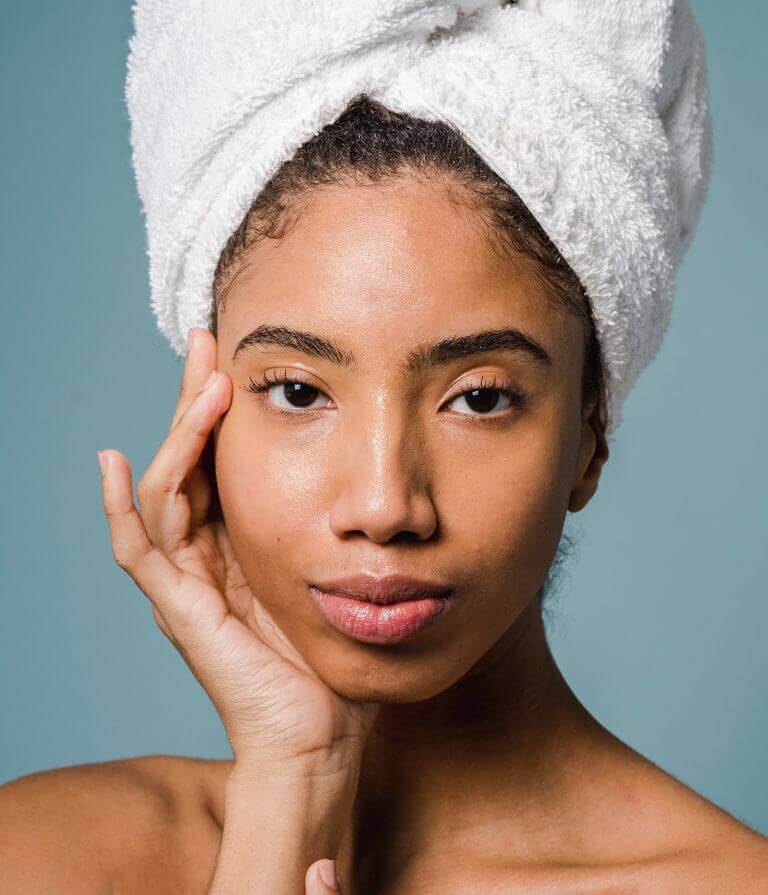
If you have rosacea, you probably already know that autumn can be a tricky time. One day you’re walking down Bold Street in a cold wind, the next you’re sat in a warm office with the heating on full. Your skin goes from one extreme to the other, and the redness follows.
Rosacea flares in colder months are common. The good news is that they’re predictable, and predictable flares can be managed.
What Rosacea Actually Is
Rosacea is a long-term inflammatory skin condition that mainly affects the face. It usually shows up across the cheeks, nose, chin and forehead.
Symptoms vary from person to person. You might have:
- Flushing that comes and goes
- Persistent redness that doesn’t fade
- Small visible blood vessels
- Bumps and spots that look a bit like acne
- Skin that burns, stings or feels sensitive
- Dry, rough patches
The exact cause isn’t known. What we do know is that certain triggers make symptoms worse, and avoiding or managing those triggers is a big part of keeping rosacea under control.
Why Cold Weather Sets It Off
The NHS lists hot or cold temperatures among the common rosacea triggers, alongside alcohol, spicy food, hot drinks, sunlight, exercise and stress. Winter hands you several of those at once.
Cold air and wind dry the skin and irritate it. Then you step into a heated room, and the sudden temperature change makes blood vessels in the face dilate quickly. That’s the flush. Repeat it several times a day, every day, and the redness starts to linger.
Central heating adds another layer. Warm, dry indoor air pulls moisture from the skin and weakens its protective barrier. A weaker barrier lets irritants in more easily, so skin that’s already reactive becomes even more so.
Winter habits don’t help either. Long hot showers, a warming mulled wine, a bowl of soup straight off the hob. All of these can tip rosacea-prone skin into a flare.
Simple Changes That Make a Difference
You can’t avoid the weather, but you can reduce how hard it hits your skin.
Cover your face with a scarf on cold, windy days. Keep showers warm rather than hot, and avoid holding your face under the water. Let hot drinks cool for a few minutes before you drink them. If your office or home is heated, a humidifier helps keep the air from drying your skin out.
Your skincare matters too. Switch to a gentle, fragrance-free cleanser and a moisturiser that supports the skin barrier. Ingredients like ceramides and glycerin are a good sign. Avoid scrubs, harsh toners and anything with alcohol high up the ingredients list.
And keep wearing SPF. Sunlight is a trigger all year round, including on grey Liverpool days.
Keeping a Trigger Diary
Rosacea triggers are personal. Red wine might set one person off while having no effect on someone else. A simple diary of what you ate, drank and did on days your skin flared helps spot patterns. Bring it to your consultation, because it gives Dr Naz a much clearer picture of what’s going on.
How We Treat Rosacea at Our Liverpool Clinic
There’s no cure for rosacea, but it can be brought under good control. Dr Naz takes a skin-first approach, focused on calming inflammation and rebuilding the barrier rather than hitting reactive skin with aggressive treatments.
Treatment starts with a proper assessment. As a medical doctor, Dr Naz can tell rosacea apart from conditions that look similar, such as acne, contact dermatitis or seborrhoeic dermatitis. Getting that diagnosis right matters, because the treatments are different.
From there, your plan might include:
- LED light therapy, to reduce inflammation and calm redness
- Gentle peels suited to sensitive skin
- Microneedling with calming serums, once the skin is settled enough
- PRP (platelet-rich plasma), to support skin repair
- Anti-inflammatory and barrier-repair skincare to use at home
- Prescription treatment, if your rosacea needs it
Most people need a course of treatments rather than a single session. Some clients notice their skin calming within days, while persistent redness can take several weeks to improve. Our post on building a skin treatment plan explains how we structure this over time.
When to Seek Help
It’s worth booking an appointment if your redness has become constant rather than coming and going, if your skin is stinging or burning, or if spots and bumps keep appearing. It’s also worth getting checked if your eyes feel gritty, dry or sore, as rosacea can affect the eyes too. Speak to your GP promptly about any eye symptoms.
Left alone, rosacea often gets gradually worse. Treating it early makes it easier to manage.
Book a Rosacea Consultation in Liverpool
If winter is making your skin harder to live with, you don’t have to wait for spring. Dr Naz will assess your skin, help you understand your triggers and build a plan to calm things down.
Learn more about rosacea treatment or start with a skin assessment at our Rodney Street clinic.