Polynucleotides in Liverpool

Repair, Restore, Rejuvenate

Polynucleotides are an advanced injectable treatment that help your skin regenerate from within — improving elasticity, hydration, tone, and overall quality. Think of it as a deep reboot for tired or damaged skin.

Book Online

Dr Naz Clinics

What Are Polynucleotides?

Polynucleotides are biostimulating molecules derived from DNA fragments. When injected into the skin, they trigger cell regeneration, reduce inflammation, and encourage fibroblasts to produce more collagen and elastin.
Unlike traditional fillers, they don’t add volume — instead, they improve the health and function of your skin at a cellular level. At Dr Naz Clinics, we use polynucleotides to target delicate areas like under the eyes, as well as the face, neck, and décolleté — especially where skin is tired, crepey, or showing signs of ageing.

Book online

Dr Naz Clinics

Regeneration Over Replacement

Rather than filling lines, polynucleotides work by encouraging your skin to repair itself. This makes them ideal for clients who want to improve quality without changing shape.

They’re especially effective in areas where the skin is thin, sensitive or prone to looking tired — like under the eyes or around the mouth.

Gentle But Powerful

Treatment is quick and relatively comfortable. You may need a course of 2–3 sessions, spaced a few weeks apart, to see optimal results.

Polynucleotides are safe for all skin types and work beautifully alongside other treatments like anti-wrinkle injections, microneedling, or PRP.

We’ll tailor your plan to your skin and goals.

Procedure Time:

30–45 minutes

Results:

Regenerated, firmer skin

Duration of Results:

6–12 months

Price:

From £299

Dr Naz Clinics

Why Clients Trust Dr Naz

Dr Naz is known for her ethical, evidence-based approach — and polynucleotides are a favourite for subtle, long-term skin improvement.

She uses them with precision and care to restore natural radiance without altering your unique features.

Find Out More

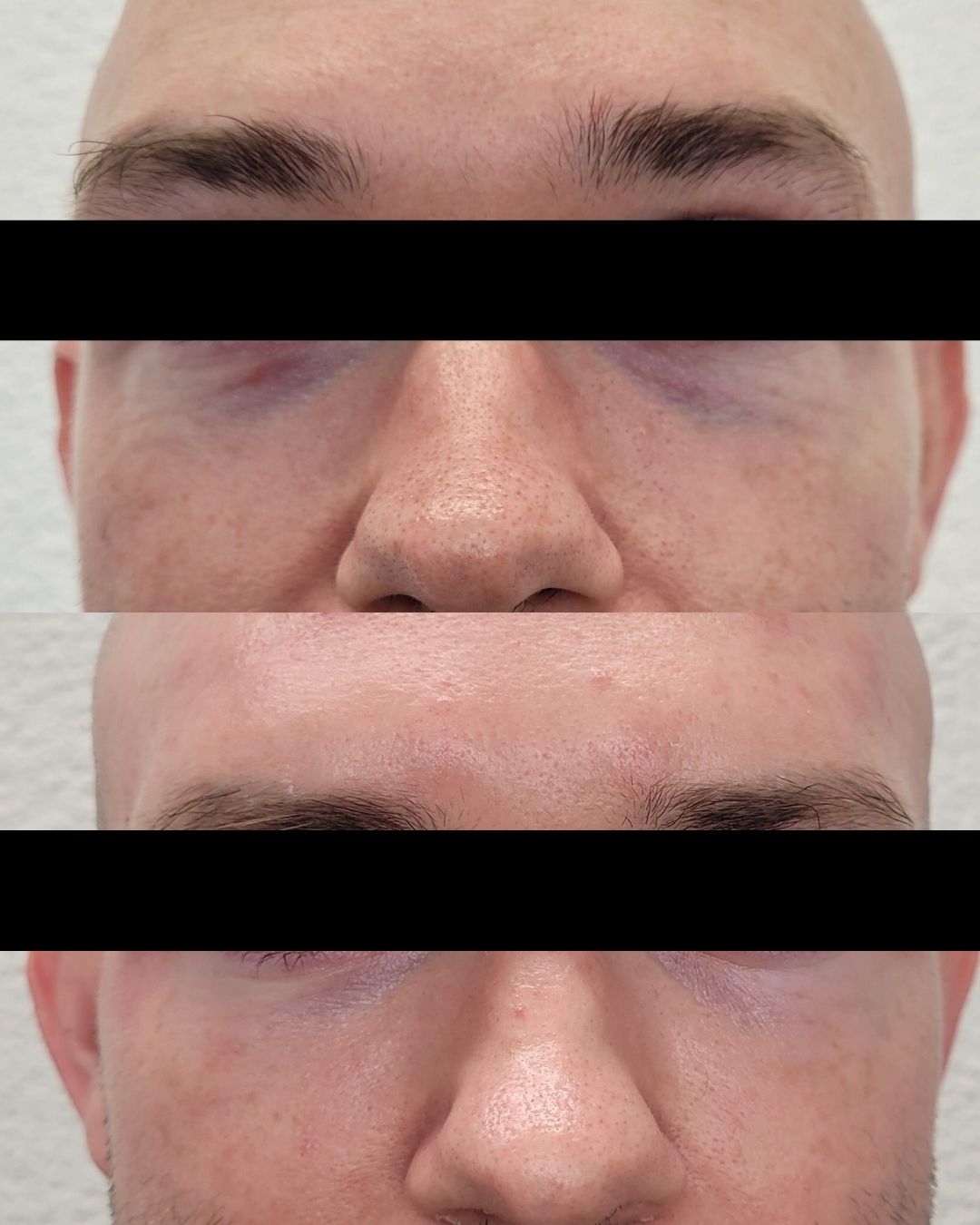
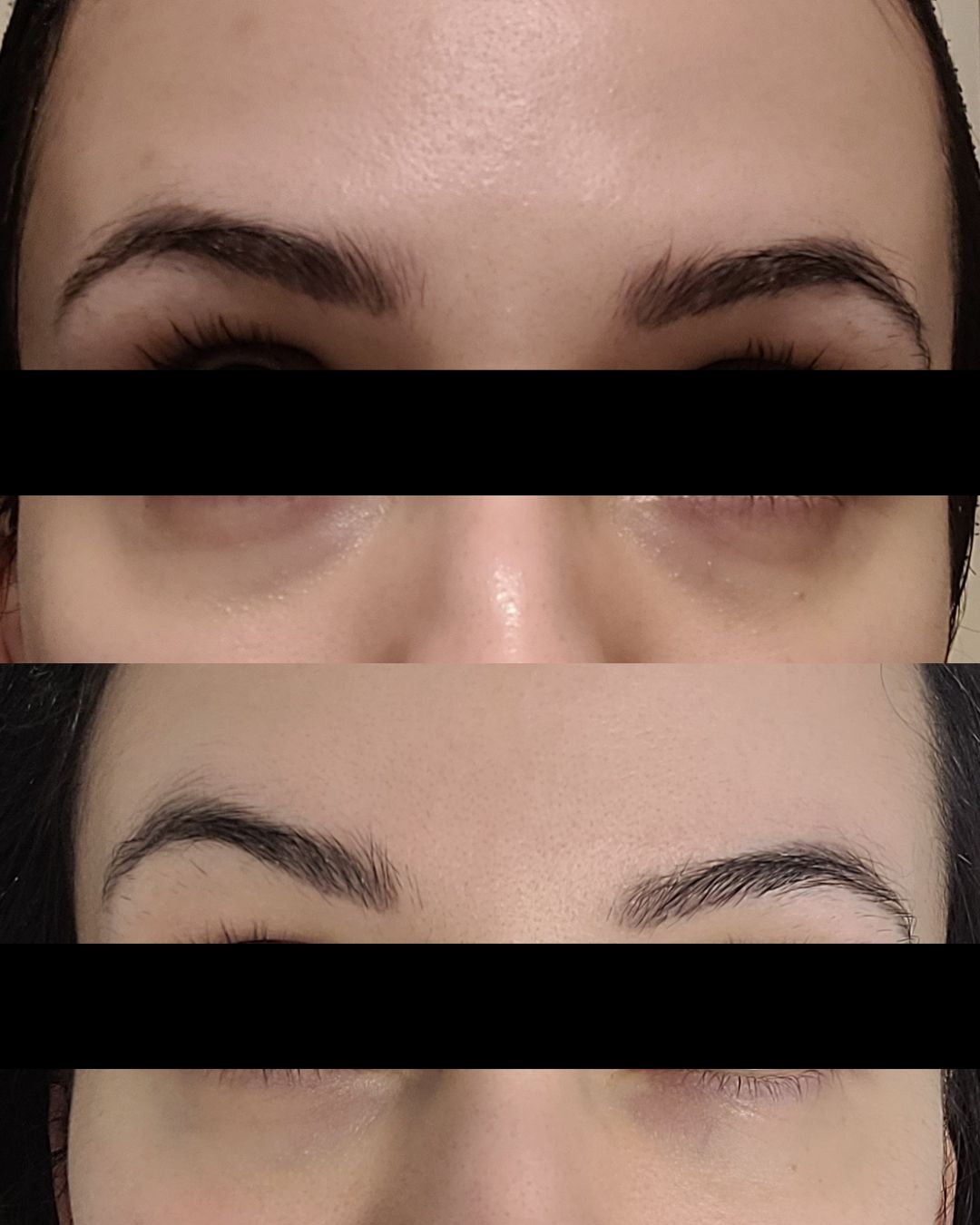
Before & After Gallery

Real Results

Brighter under-eyes, smoother texture, and stronger, more hydrated skin — all achieved by helping your body do the work.

Dr Naz Clinics

Your Polynucleotide Journey

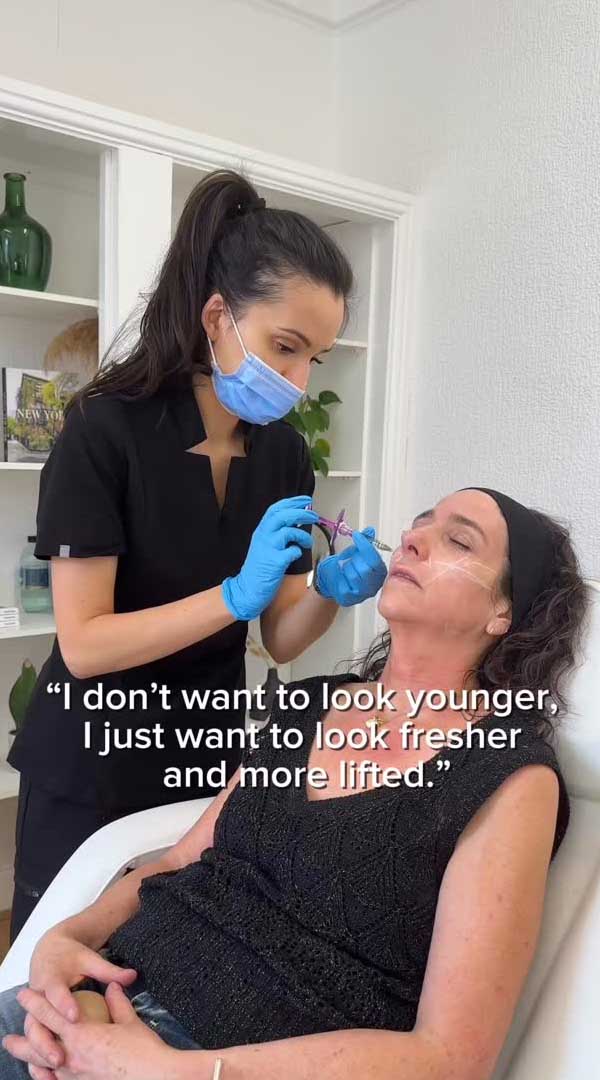
Treatment begins with a skin consultation and careful assessment of where support is needed. We’ll then inject the polynucleotides into the chosen areas using fine needles or a cannula.

You may notice mild swelling or tiny bumps for a few hours after. Full results build gradually over weeks as collagen and elastin production increases.

Book Online

Step One

Your Consultation

We’ll discuss your skin concerns, timeline, and whether polynucleotides or an alternative biostimulator would be most effective.

Step Two

Your Treatment Plan

Most clients need a course of 2–3 sessions. We’ll personalise your plan to target under-eyes, face, neck, or other areas as needed.

Step Three

Your Aftercare

You can return to daily life immediately. Avoid makeup for 12 hours, and we’ll explain what to expect as results build over time.

Polynucleotides

Treatment areas

  • Under-eyes (tear troughs)
  • Face (skin tone, firmness, elasticity)
  • Neck and décolleté
  • Hands
  • Around the mouth or lips (crepey skin)

Your Questions Answered

FAQS

No, they work in a completely different way. Fillers add volume by sitting in the skin and holding their shape, whereas polynucleotides are biostimulators: purified DNA fragments, derived from highly purified salmon or trout DNA, that prompt your own skin to repair and renew itself. Rather than filling a line, they encourage fibroblasts to produce more collagen and elastin and improve hydration and skin quality from within. Because they don’t add structure, they won’t correct a true hollow such as a deep tear trough on their own, which is where a dermal filler comes in. Dr Naz will sometimes combine the two, using polynucleotides to improve skin quality and filler to restore volume where it’s genuinely needed.

Both improve skin quality, but they do it by different routes. Skin boosters, including treatments like Profhilo, are mainly hyaluronic-acid based, so they work by deeply hydrating and bio-remodelling the skin, attracting and holding water to improve glow and bounce. Polynucleotides go a step further and actively stimulate cellular repair, so the effect is regenerative rather than mainly hydrating, which makes them particularly suited to thin, delicate, tired-looking skin like the under-eye area. Neither is automatically “better”; they simply do different jobs, and they can be used together as part of a plan. At your consultation Dr Naz will explain which suits your skin, or whether a combination makes the most sense.

They’re a strong option for skin that looks tired, dull, crepey, or thinner than it used to, and for early signs of ageing like fine lines and a loss of firmness or elasticity. They work well on the face, neck, décolletage, and hands, and they’re one of the most popular non-filler choices for the under-eye area. Around the eyes they improve the texture and crepiness of the skin and can soften the shadowed, bluish dark circles that come from thin skin over the blood vessels. What they won’t do is fill a structural hollow, so if your under-eye concern is a deep tear-trough groove, that needs a tear trough filler, which Dr Naz may suggest alongside. She’ll always tell you honestly which approach fits the concern you actually have.

Polynucleotides have a strong safety profile, and the technology behind them has a long research history; most people tolerate treatment very well. They aren’t suitable for absolutely everyone, though, which is why treatment always starts with a proper medical consultation. Because the product is derived from salmon or trout DNA, it isn’t suitable if you have a fish or seafood allergy, and it’s avoided during pregnancy and breastfeeding, with extra care taken for anyone with an autoimmune condition. Any side effects tend to be minor and short-lived, usually mild swelling, redness, or small bumps at the injection points that settle quickly.

Polynucleotides aren’t an instant fix, and that’s by design, because the mechanism is biological and unfolds over time. Many people say their skin feels different before it looks different, with visible improvement typically building from around two weeks and continuing to develop over the following four to eight weeks as collagen and elastin production increases. Because it’s usually done as a short course, the improvement deepens with each session rather than arriving all at once. This gradual build is part of why the results look natural, since your skin is genuinely improving rather than being altered. Dr Naz will set realistic expectations at your consultation so you know exactly what to look for and when.

Yes, and they’re often most effective as part of a wider plan. Polynucleotides pair well with anti-wrinkle injections, microneedling, PRP, skin boosters like Profhilo, and dermal filler, because each addresses a different aspect of how skin ages. A typical approach might use polynucleotides to improve skin quality, filler to restore structure or volume where it’s lost, and anti-wrinkle treatment to soften movement lines. The order and timing depend on which areas you’re treating, and that’s something Dr Naz maps out with you rather than following a fixed template. The aim is always a balanced, natural result rather than doing everything at once.

Downtime is minimal, and most people return to their normal day straight after. You may notice small raised bumps or blebs at the injection points along with a little redness or mild swelling, and while these usually settle within a few hours, small bumps can occasionally take a day or two to fully disappear. The odd small bruise is possible too, particularly in delicate areas like under the eyes, and these fade over a few days. We’d suggest avoiding makeup over the area for around twelve hours and steering clear of heat, alcohol, and strenuous exercise for a day or so while everything settles. You’ll leave with clear aftercare advice and can always check in if anything feels off.

After a full course, results typically last somewhere between six and twelve months. Because polynucleotides work by improving the condition of your own skin rather than adding a product that sits in place, the benefit builds through the course and then gradually eases as your skin’s natural turnover continues over time. For that reason, many clients keep their results topped up with a maintenance session every six to twelve months, rather than starting from scratch each time. How long it holds varies with your skin, age, and lifestyle. Dr Naz will suggest a realistic maintenance rhythm based on how your skin responds.

Client Reviews

Amazing!

“I wouldn’t trust anyone else – Dr Naz is amazing at what she does. I always feel at ease, and Naz takes the time to talk through treatments with me. She has a very holistic approach as well, only treating what is needed and doesn’t force treatments on you. Highly recommend!”

Read Google Reviews