Hyperpigmentation Treatment in Liverpool

Even Skin Tone, Restored Confidence

Hyperpigmentation treatments target uneven skin tone, sun damage, and stubborn pigmentation — helping you achieve smoother, clearer, more radiant skin over time.

Book Online
Dr Naz Clinics

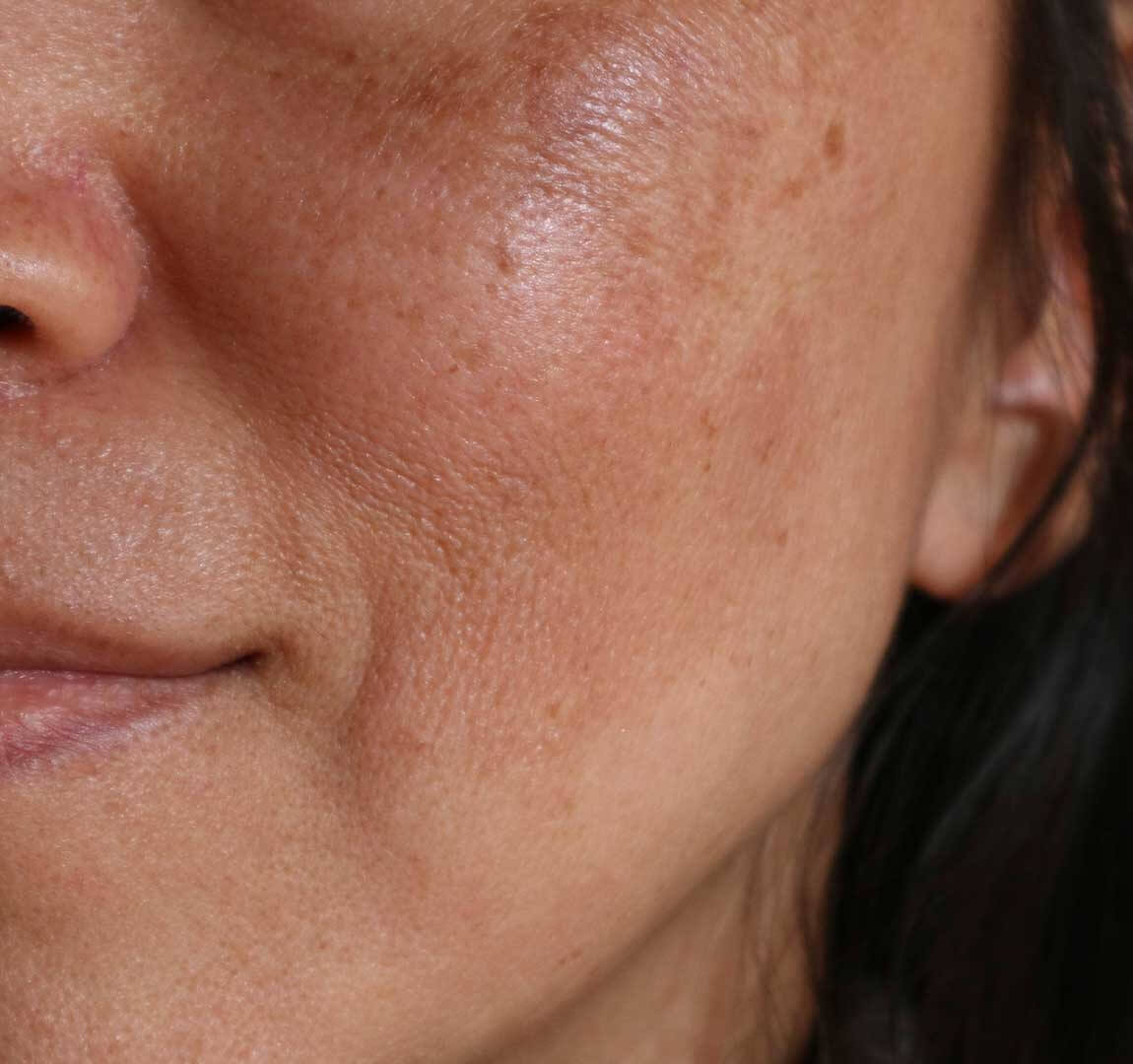
What Is Hyperpigmentation?

Hyperpigmentation is caused by an overproduction of melanin, often triggered by sun exposure, hormones, inflammation or injury. It can show up as sun spots, melasma, post-acne marks, or general uneven tone. At Dr Naz Clinics, we don’t just treat the surface — we get to the root cause. Our approach combines targeted skincare, peels, microneedling, and advanced actives like tranexamic acid or retinoids — all tailored to your skin tone and lifestyle.

Book online

Dr Naz Clinics

More Than Aesthetic – It’s Emotional

Uneven skin tone can knock your confidence. We understand that — and work with care and clarity to give you real results, without making things worse.

All skin types are welcome here, and our treatments are customised to respect your skin’s natural behaviour.

Not One Treatment – A Plan

There’s no magic cure for pigmentation, but with the right plan — combining clinical treatments, daily skincare, and lifestyle support — we can make real progress.

We treat both epidermal and deeper pigment issues, and always patch test and plan safely.

Procedure Time:

30–60 minutes

Results:

Brighter, even skin tone

Duration of Results:

Course recommended

Price:

From £135

Dr Naz Clinics

Why Clients Trust Dr Naz

Dr Naz is known for her thoughtful, ethical approach to treating pigmentation — especially on deeper skin tones. She avoids harsh, risky solutions and focuses on skin health first. You’ll get clear advice, real expectations, and treatments that actually work over time.

Find Out More

Dr Naz Clinics

Your Treatment Journey

We start with a detailed skin analysis to understand what’s causing your pigmentation — and what might be making it worse.

You’ll receive a custom plan which may include skin peels, microneedling, topical actives, and medical skincare. We’ll explain what to expect and what not to do.

Book Online

Step One

Your Consultation

We’ll assess your skin type, triggers, medical history, and lifestyle to understand the cause — and rule out risks.

Step Two

Your Treatment Plan

We’ll create a gradual treatment plan — often a blend of in-clinic treatments and at-home skincare. Patience and consistency are key.

Step Three

Your Aftercare

Sun protection is non-negotiable. We’ll support you with aftercare advice and ongoing check-ins to review your progress.

Hyperpigmentation Treatment

Treatment areas

  • Face
  • Cheeks
  • Upper lip
  • Neck
  • Chest
  • Back of hands

Your Questions Answered

FAQS

It can, and being honest about that upfront matters, because pigmentation is usually about long-term control rather than a permanent one-off fix. That’s especially true of melasma, which is a chronic, relapsing condition driven by things like UV exposure and hormones, so it can return if it’s triggered again. The single biggest factor in keeping your results is daily sun protection, since UV is what reactivates most pigmentation, which is why we treat it as non-negotiable rather than optional. Sun spots and post-acne marks tend to be more stable once cleared, though new ones can form with fresh sun exposure.

Yes, and this is an area Dr Naz treats with particular care, because deeper skin tones need a different, gentler approach. Darker skin is more prone to post-inflammatory hyperpigmentation, which means an overly aggressive treatment can actually cause more pigmentation rather than less, the exact opposite of what you want. That’s why she favours gentle, well-chosen treatments, careful concentrations, and a patch test rather than harsh or high-risk options. As a medical doctor, she assesses your skin type and history properly and builds a plan that respects how your skin behaves.

Pigmentation takes patience, and honest timelines matter more than quick promises. Many people start to notice improvement within around four to six weeks, but most need a course of treatment over three to six months for a meaningful, lasting change. How quickly it responds depends partly on how deep the pigment sits, since surface-level pigmentation tends to clear faster than deeper pigment, which is slower and harder to shift.

Usually yes, though it depends on which treatment you’ve had. After something like a peel or microneedling, we’ll often ask you to leave the skin bare for a short window while it settles, and we’ll tell you exactly how long. Once that window has passed you can return to makeup as normal, and we’ll suggest non-irritating options that won’t undo your progress.

Sometimes, yes, particularly with certain peels or active ingredients, and it’s a normal part of how they work rather than a sign anything’s wrong. Any flaking is usually mild and temporary as the surface renews. The important thing is not to pick or peel the skin yourself, since that can trigger exactly the kind of inflammation that leads to more pigmentation.

That’s a really common starting point, and it usually means the previous approach wasn’t matched properly to the cause. Pigmentation isn’t one single condition, so melasma, sun damage, and post-acne marks all behave differently and need different plans, and using the wrong approach can stall progress or even make things worse. Rather than repeating what hasn’t worked, Dr Naz starts with a proper analysis to identify what’s actually driving your pigmentation and what might be aggravating it. From there she builds a step-by-step plan rather than a generic one.

Not as a first-line treatment, and that’s a deliberate, safety-led choice. Laser and other energy-based treatments can sometimes worsen pigmentation, particularly melasma and particularly in darker skin, so they’re not the automatic answer many people assume. Dr Naz often achieves good results with gentler, well-tolerated approaches like carefully chosen peels, microneedling, and targeted skincare, and would only consider energy-based treatment cautiously and where it’s genuinely appropriate. If it isn’t right for your skin or your type of pigmentation, she’ll tell you plainly. The priority is always improving your skin without risking a setback.

Yes, and pigmentation treatment often works best as a combination rather than a single thing. It pairs particularly well with microneedling and skin boosters, and a good plan usually blends in-clinic treatments with the right at-home skincare so the two support each other. Dr Naz will map out what to combine and in what order, keeping everything gentle enough to avoid triggering more pigmentation.

Client Reviews

Very thorough!

“Very friendly, Dr Naz is very thorough and is always happy to answer any questions. Nice quiet and calming atmosphere.”

Read Google Reviews