The skin under your eyes is some of the thinnest on your body. It’s also one of the first places people notice ageing, tiredness and stress. For years, the main injectable answer was tear trough filler. Now there’s another option that works in a completely different way: polynucleotides.
Why the Under-Eye Area Ages Early
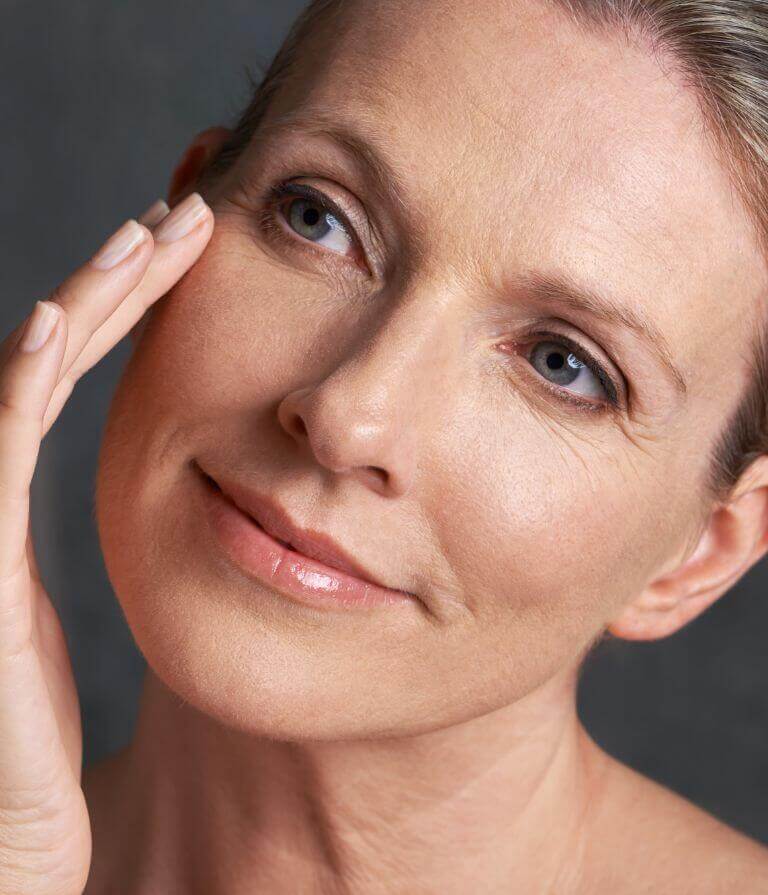
Under-eye skin is thin, has fewer oil glands and moves constantly every time you blink, smile or squint. Over time, it loses collagen and elasticity. That shows up as fine, crepey lines, a slightly shadowed or darker look, and skin that seems to sit closer to the blood vessels beneath.
There’s often a structural element too. The fat and bone around the eye change with age, and the cheek loses support. That creates the hollow or groove some people call a tear trough.
These are two different problems. One is about the quality of the skin. The other is about volume. Polynucleotides treat the first. Filler treats the second.
What Polynucleotides Are
Polynucleotides are purified fragments of DNA, usually sourced from salmon or trout. When injected into the skin, they act as a signal to your own cells, encouraging repair and new collagen and elastin production. They also have hydrating and anti-inflammatory effects.
They don’t add volume, and they don’t change the shape of the area. What they do is improve the skin itself: its thickness, texture and resilience. We explain the science in more depth in our post on what polynucleotides are and how they work.
Who Under-Eye Polynucleotides Suit
They tend to work well if you have:
- Fine, crepey lines under the eyes
- Thin skin that looks slightly see-through or shadowed
- A tired appearance without significant hollowing
- Concerns about filler, or a preference for a regenerative treatment
They’re also a good option for people who’ve been told they’re not ideal candidates for tear trough filler. Not everyone suits filler in this area. If you have puffiness, fluid retention or very thin skin, filler can make things look heavier. Polynucleotides avoid that risk because they don’t add bulk.
When Filler Is the Better Choice
If your main concern is a deep hollow or groove, polynucleotides alone won’t fill it. In that case, tear trough filler or support from the cheek is usually the answer. Our post on cheek filler explains why the cheek is often where under-eye hollowing really starts.
Some people benefit from both. Polynucleotides can improve skin quality first, which gives a better base if filler is needed later. Dr Naz will tell you honestly which approach suits your face, and in which order.
What a Treatment Course Looks Like
Polynucleotides work best as a course. Most clients need two to three sessions, spaced a few weeks apart. Each appointment takes around 30 to 45 minutes, including preparation.
Numbing cream is applied first. Dr Naz then injects small amounts of product under the eye using a fine needle or cannula. You’ll feel some pressure and a little stinging, but most people find it very manageable.
Afterwards, small bumps at the injection points are common and usually fade within a few hours. Some people get mild swelling or bruising, which can take a few days to settle. You can go back to your normal routine straight away, but avoid make-up on the area for 12 hours.
When You’ll See Results
This isn’t an instant treatment. Because polynucleotides work by stimulating your skin’s own repair, results build gradually. Some people notice a difference after one to two weeks, with full results developing over four to six weeks after the course.
Results typically last 6 to 12 months. Many clients book a maintenance session once or twice a year to keep the improvement going.
Polynucleotides vs Profhilo for Under-Eyes
People often ask how polynucleotides compare with other skin boosters. Profhilo is a hydrating hyaluronic acid treatment that works well across the face and neck, but it isn’t generally used directly under the eyes. Polynucleotides are better suited to this delicate area. We compare the two in more detail in our blog covering polynucleotides vs Profhilo.
Is It Safe?
Polynucleotides have a good safety profile and are well tolerated by most people. As with any injection, there’s a risk of bruising, swelling and, rarely, infection. You shouldn’t have them if you have a fish or salmon allergy. Dr Naz will go through your medical history fully at your consultation.
The under-eye area also needs a careful, experienced injector. As a GMC-registered doctor, Dr Naz brings a medical understanding of facial anatomy to every treatment.
Book Under-Eye Polynucleotides in Liverpool
If you’re tired of looking tired, a consultation is the best first step. Dr Naz will look at what’s really causing the change under your eyes and recommend the right treatment, whether that’s polynucleotides, filler or a combination.
Find out more about polynucleotides in Liverpool or book your consultation at our Rodney Street clinic.