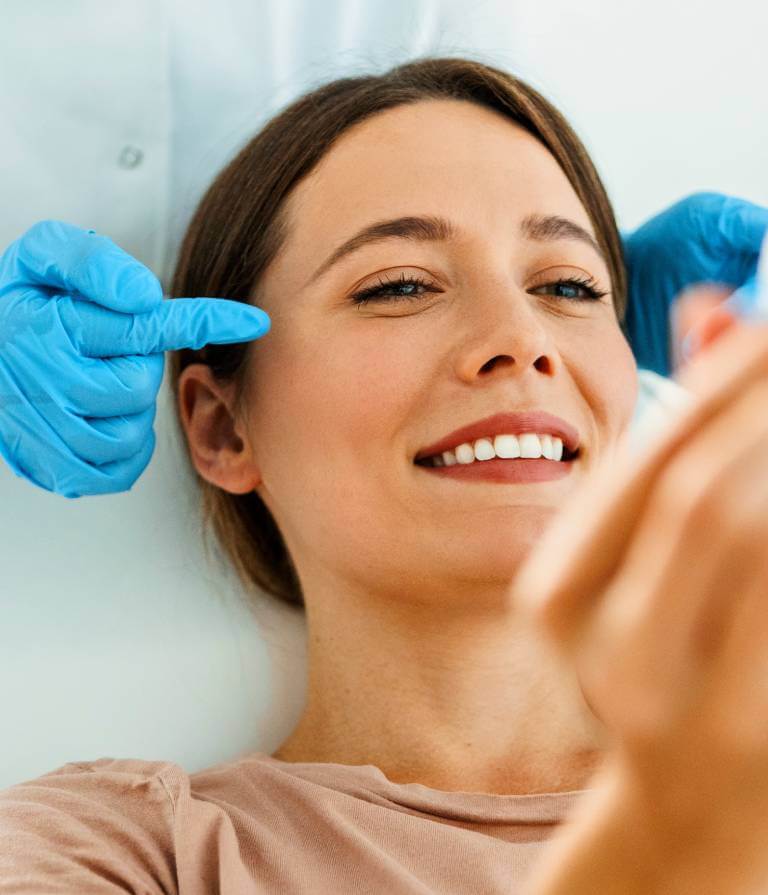
In 2026, anyone researching aesthetic treatments in the UK will encounter a wide range of providers: medical doctors, nurses, dentists, pharmacist prescribers, and non-medical practitioners with varying levels of training. The titles used in marketing don’t always make the distinctions clear. Here’s what the differences actually mean in practice.
The Legal Picture on Injectables
Anti-wrinkle injections using botulinum toxin are a prescription-only medicine in the UK. Legally, they cannot be prescribed without an in-person assessment by a registered prescriber. New regulations introduced in 2025 require this face-to-face consultation before prescribing for nurse prescribers, closing a loophole that previously allowed remote prescribing.
A UCL study published in 2026 found that the proportion of aesthetic practitioners without a medical background had grown notably over recent years, and highlighted the safety implications. This sits against a backdrop of documented complications linked to unqualified or inadequately trained providers.
What a Medical Background Actually Brings
A doctor completes five years or more of medical training before qualification, covering anatomy, physiology, pharmacology, and clinical assessment across a wide range of conditions. This foundation matters for aesthetic practice in several specific ways.
Anatomical knowledge. The face contains an intricate network of blood vessels, nerves, and structures. Injections placed incorrectly can cause bruising, but in rare cases involving certain areas, they can disrupt the blood supply to the surrounding tissue. A detailed understanding of facial anatomy, developed over years of medical training and reinforced by aesthetic-specific practice, is what allows a practitioner to place injections safely and precisely.
Assessment skills. A medically trained practitioner is not only assessing the face for aesthetic purposes. They’re also screening for contraindications: health conditions, medications, or circumstances that would make a treatment inadvisable, and either adapting the plan or recommending against treatment entirely. This kind of clinical judgement develops through medical training, not aesthetics-specific courses alone.
Prescribing rights. A GMC-registered doctor can prescribe independently. This means the assessment, prescribing, and treatment all happen within the same consultation with the same practitioner, without relying on a separate, sometimes remote, prescriber who hasn’t assessed the patient directly.
Managing complications. Complications in aesthetics are rare, but they do occur. A medical doctor’s training includes recognising clinical deterioration, managing emergencies, and prescribing treatment for complications, including administering hyaluronidase for filler reversal or managing a vascular event. This capability is not automatic in non-medical providers, even experienced ones.
Saying No Is Part of the Service
One of the clearest markers of a medically-led clinic is the willingness to decline treatment when it isn’t appropriate. A consultation should be a genuine clinical assessment, not a sales conversation. If a treatment isn’t right for a patient’s anatomy, or the goals being described aren’t achievable through the treatments on offer, saying so is the ethical response rather than proceeding regardless.
Non-medical practitioners often develop strong aesthetic skills and many practice with care and diligence. The distinction is not an absolute one about outcomes. It is about the depth of underpinning knowledge, the legal framework of prescribing, and the capability to manage the unexpected, all of which are consistently stronger in a medically-led setting.
Checking Credentials Directly
The GMC register is publicly accessible at gmc-uk.org. Any GMC-registered doctor’s full name, registration status, and any conditions on practice are visible to anyone who searches. For nurses, the NMC register serves the same purpose. These checks take two minutes and are entirely worth doing.
Doctor-Led Aesthetics in Liverpool
Dr Naz is a GMC-registered NHS doctor with specialist training in advanced facial aesthetics. Every assessment, treatment, and follow-up at the Rodney Street clinic is carried out by Dr Naz personally. Get in touch to book a consultation.