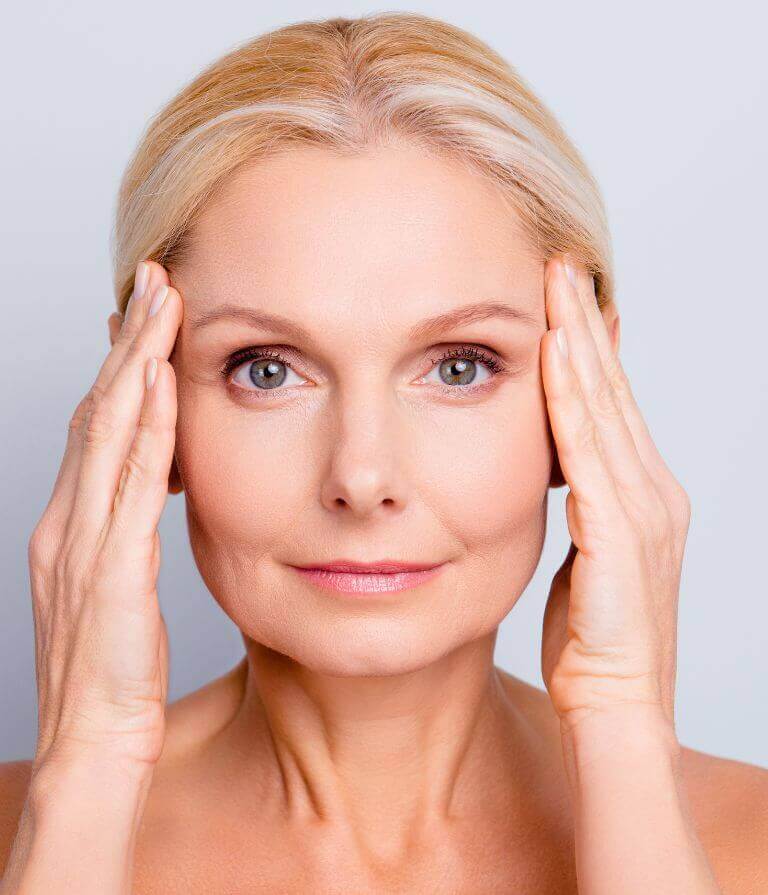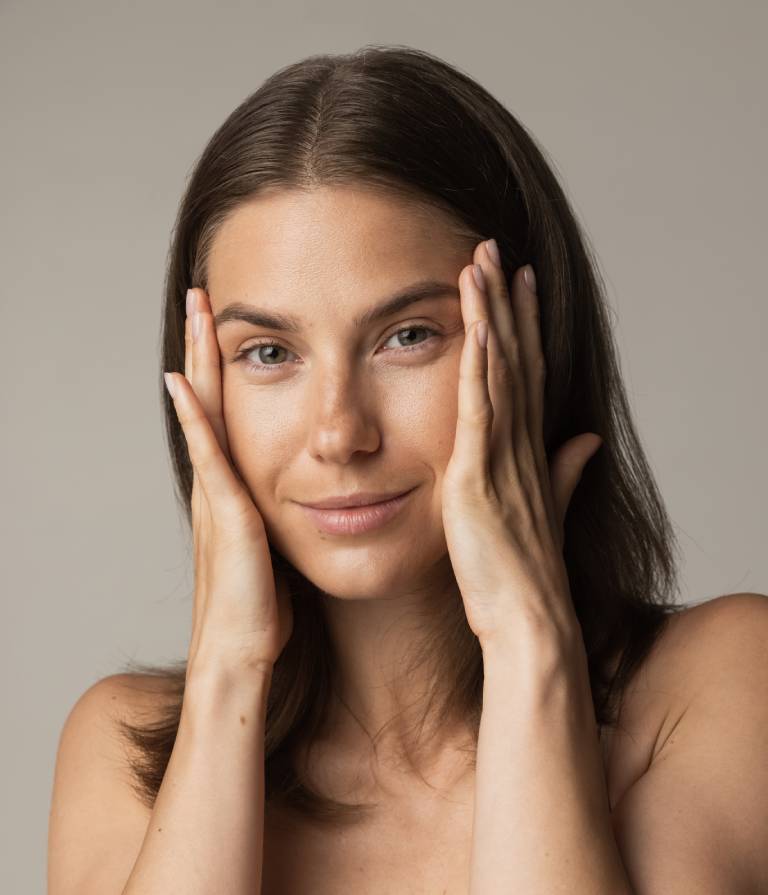
Most people arrive at an aesthetics clinic with a specific concern in mind. A frown line that’s deepened, a bit of volume loss around the cheeks, lips that have thinned. It’s natural to focus on the thing that’s been noticed. But the reason a comprehensive assessment matters is that faces don’t age in isolated patches, and treating one area without considering the whole often leads to results that look incomplete or, at worst, slightly off.
What a Full Face Assessment Actually Involves
A full face aesthetic assessment is a structured clinical examination of the face as a whole, carried out before any treatment decision is made.
It typically covers four layers of facial structure: bone, fat, muscle, and skin. Each of these changes occurs independently over time, and each contributes differently to how age or loss of freshness shows up on the face. Volume loss in the mid-face, for example, can create the appearance of lines and heaviness in the lower face, even when the lower face itself is structurally unchanged. Treating the lower face without addressing the mid-face underlying it is a common reason results don’t look as expected.
In practice, a full face assessment includes:
- A conversation about the patient’s specific concerns and goals
- A review of medical history and any contraindications to treatment
- Visual examination of facial proportions, symmetry, and features both at rest and in motion
- Assessment of skin quality: texture, tone, laxity, and signs of sun damage or sensitivity
- Evaluation of bone structure and fat distribution, including how volume loss may be contributing to visible changes
- Photography from multiple angles, for documentation and to support treatment planning
The movement analysis matters particularly for anti-wrinkle injections: watching how the muscles behave during expressions tells a practitioner which muscles are driving which lines, and at what strength, and allows for more precise placement and dosing than a static assessment alone.
Why Treating in Isolation Creates Problems
A face in which one area is treated, and others aren’t, can start to look unbalanced in ways that are hard to identify but easy to notice. A significant reduction in upper face lines without addressing mid-face volume, for example, can make the lower face appear heavier by contrast. Enhancing lip volume without considering the surrounding structure can change the overall proportions of the lower face in ways that look disproportionate.
A full face assessment surfaces these interactions before treatment begins, rather than discovering them afterwards.
This Doesn’t Mean Treating Everything at Once
A full assessment is not a sales pitch for multiple treatments. A good practitioner uses it to understand the face as a whole and then recommends the most appropriate starting point, which may well be a single, targeted treatment, with a view to how other concerns might be addressed over time if desired. The assessment also matters because it helps establish a baseline: knowing what the face looks like before any intervention makes future decisions clearer and more reliable.
What to Bring to the Assessment
A few things help the consultation run more smoothly:
- A list of any current medications, supplements, and relevant health conditions.
- An honest description of what has been noticed changing, and when.
- Any previous aesthetic treatments, including what was done, by whom, and when.
- Reference images if there’s a specific result being aimed for, but also a clear-headed awareness that anatomy varies significantly between individuals.
How This Shapes the Treatment Plan
The output of a full face assessment is a treatment plan that addresses the actual concerns in a sensible sequence, with realistic expectations. What it shouldn’t be is a list of every possible treatment mapped onto a face that walked through the door. If a practitioner’s assessment concludes with a long shopping list of things to fix rather than a considered plan addressing what’s actually bothering the patient, that’s worth questioning.
Book a full face aesthetic consultation with Dr Naz at the Liverpool Rodney Street clinic to understand what’s actually driving the changes you’re noticing.