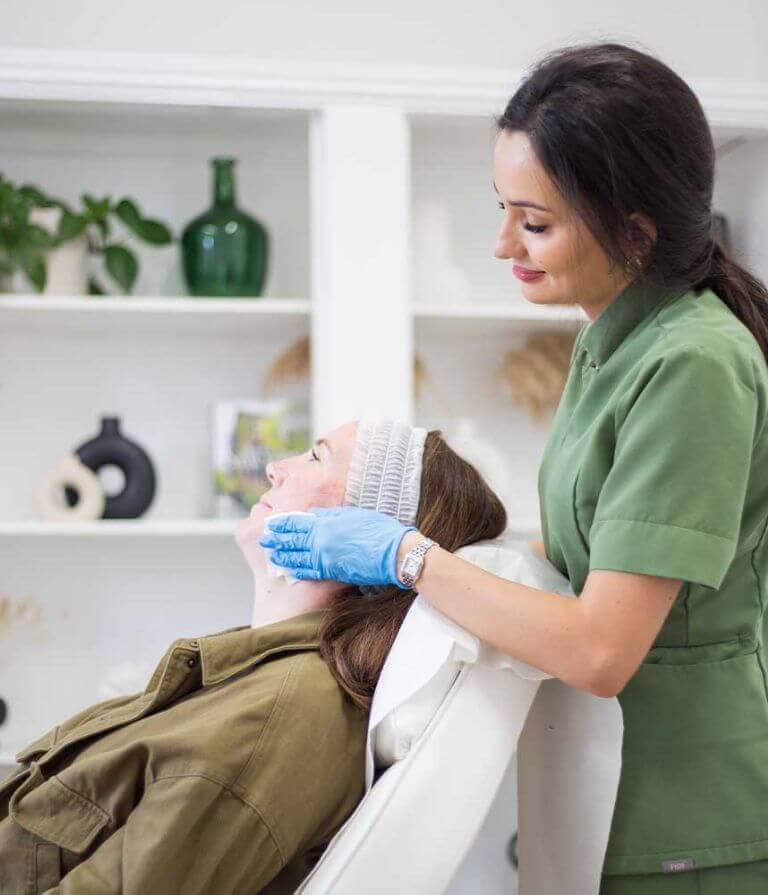
The treatment itself takes a matter of minutes. What you do in the hours and days afterwards plays a genuine part in how smoothly you heal, how quickly any swelling settles, and how good the final result looks. The good news is that aftercare for dermal fillers is simple once you know the rules.
Most people are back to their normal day almost immediately, but a few sensible precautions in the first 24 to 48 hours make a real difference. Here is a clear, honest guide to caring for your skin after dermal fillers, from Dr Naz, a medical doctor and aesthetics specialist in Liverpool.
What is Normal in the First Day or Two
First, it helps to know what to expect, so nothing takes you by surprise.
Some mild swelling, tenderness, redness or small bruises around the injection points are completely normal after filler. Swelling tends to peak within the first 24 to 48 hours and then settles steadily over the following days. Bruising, if it appears, usually fades within a week or so.
You may also feel the dermal filler is slightly firm at first, or notice small lumps as it settles. This is normal and usually softens over the following one to two weeks as the filler integrates. The final result is best judged after around two weeks, once any swelling has fully resolved, rather than on the day.
None of this means anything has gone wrong. It is simply your skin responding to treatment and settling.
What to do After Your Treatment
A few gentle steps genuinely help your recovery go smoothly.
Apply a cool compress if you have swelling, using a clean cloth for short periods in the first 24 hours, which helps calm the area. Keep your head elevated when resting or sleeping for the first night or two, as this helps any swelling drain rather than pool. Stay well hydrated and eat well, since nourished skin recovers better. And keep the treated area clean and handle it gently.
For lip filler specifically, gentle is the word for the first day or two. Try to avoid pursing or puckering movements and, if you can, avoid drinking through a straw for a day or so.
Above all, follow the specific aftercare advice you are given at the clinic, since it is tailored to your treatment. You are never on your own after you leave; if you are ever unsure about anything, you can always get in touch.
Frequently Asked Questions
What should you avoid after dermal fillers?
For the first 24 to 48 hours, avoid strenuous exercise, alcohol, excessive heat such as saunas, pressure or massage on the treated area, and makeup for the first 24 hours. Blood-thinning painkillers like ibuprofen can also increase bruising.
How long does swelling last after fillers?
Swelling usually peaks within the first 24 to 48 hours and then settles over the following days. Any bruising typically fades within a week, and the final result is best judged at around two weeks.
When can I wear makeup after dermal fillers?
It is best to wait at least 24 hours before applying makeup to the treated area, to let the injection points heal and reduce the risk of infection. After that, gentle application with clean brushes is usually fine.
Can I exercise after dermal fillers?
Light walking is fine, but avoid strenuous exercise, heavy lifting and hot yoga for 24 to 48 hours, as raised blood flow can worsen swelling and bruising.
Are lumps after filler normal?
Small lumps as the filler settles are common and usually soften within one to two weeks. If a lump persists beyond that, mention it at a follow-up, as it can generally be addressed easily.
When should I contact the clinic after filler?
Get in touch promptly if you have increasing or severe pain, spreading redness or warmth, unusually pale or mottled skin, or heavy one-sided swelling. These are rare but worth acting on quickly rather than waiting.
What to Avoid in the First 24 to 48 Hours
This is where a little discipline protects your result. For the first day or two:
Avoid strenuous exercise. Intense activity raises your blood pressure and blood flow, which can worsen swelling and bruising. Light walking is fine, but hold off on heavy workouts, weightlifting and hot yoga for a day or two.
Avoid alcohol. Alcohol thins the blood and can make bruising and swelling worse, so it is best avoided for at least 24 hours after treatment, and ideally the day before too.
Avoid heat. Saunas, steam rooms, hot tubs, very hot showers and direct sun all dilate the blood vessels and can aggravate swelling. Keep away from them for around 48 hours.
Avoid pressure on the area. Try not to rub, press or massage the treated area unless you have been specifically told to, and avoid sleeping face-down for the first few nights. Facial massage should wait.
Hold off on makeup. It is best to keep the treated area free of makeup for the first 24 hours, to let the tiny injection points heal and reduce any risk of infection. After that, gentle application with clean brushes is usually fine.
Be careful with certain painkillers. Blood-thinning medications such as aspirin and ibuprofen can increase bruising. Paracetamol is generally a better choice for any mild discomfort, but never stop prescribed medication without medical advice.
When to Get in Touch
Dermal filler is very safe in trained medical hands, and serious problems are rare. But knowing what is not normal matters, because early advice is always better than waiting.
Get in touch with your practitioner promptly if you experience increasing or severe pain, spreading redness or warmth, skin that looks unusually pale or mottled, or swelling that is heavy and one-sided rather than settling. These are uncommon, but they are worth acting on quickly rather than waiting to see.
Persistent small lumps that have not softened after a couple of weeks are also worth mentioning at a follow-up, as they can usually be addressed easily.
This is one of the reasons it matters so much who carries out your treatment. Having your filler done by a medical professional means that, in the rare event something needs attention, you are in the safest possible hands.
Looking After Your Results Longer Term
Beyond the first few days, a few habits protect your investment. Wearing a daily SPF shields both the result and the skin underneath. Looking after your general skin health supports longer-lasting results. And keeping in touch with your clinic for planned reviews means your results can be maintained and refined rather than left to fade completely.
Good aftercare is not complicated. Be gentle, avoid the few things that worsen swelling and bruising, protect your skin, and follow the advice you are given. Do that, and you give your treatment the best possible chance to look its best.
Talk to us About Dermal Fillers in Liverpool
If you are considering dermal fillers and want to understand exactly what the treatment and recovery involve, Dr Naz will talk you through everything honestly at consultation, with clear aftercare support before and after.
To book a consultation, call 07361 599203 or book online. You can read more about dermal fillers and our approach to your experience and aftercare.
Dr Naz Aesthetics Clinic, 51A Rodney Street, Liverpool, L1 9ER.